
Certain aspects of owning a home are not noticed until they require attention. The septic tank is one very important, but often neglected aspect of a house. We assume it is a given and assume that it will perform its job without much maintenance or even concern. Like all systems, have a finite life span and need to be replaced over time.
The expense of replacing the septic tank is an immense financial burden on homeowners who don’t have the right plan. The total cost will be determined by a variety of aspects, which is why it’s crucial to plan for the new system.
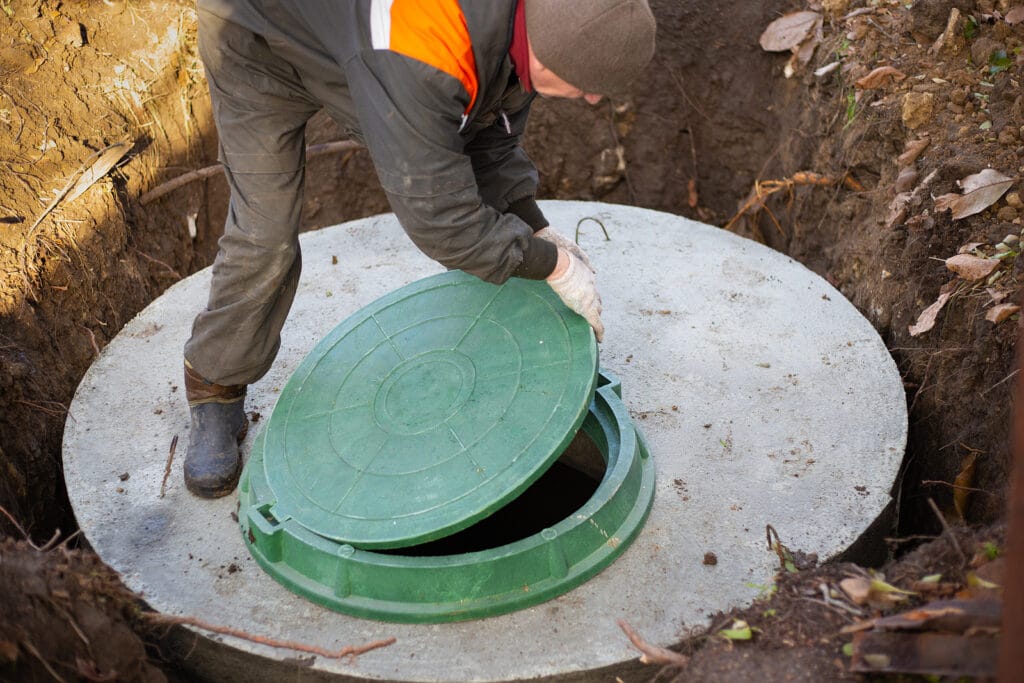
Understanding the true cost of replacing tanks requires weighing many factors that go beyond the apparent price tag. It’s not merely it’s a matter of dismantling the old tank before installing an entirely new one. The price is affected by multiple services and components. Costs are charged at every step of the process, including obtaining permits, hiring experts, and even excavation and construction.
The cost of septic tanks, leach fields, and the installation are all important factors to consider. The cost of replacing a tank will differ based on its size, material and the complexity of the installation. Additionally, the location of your home, the local regulations, and soil conditions are also factors that can affect the cost. It is essential to speak with septic system experts who can assess your specific requirements and provide a precise estimation. They’ll also take into consideration the size and shape of the leach field to provide you a complete understanding of what your project is going to cost.
Leach fields or drainfields are yet another cost. This component is essential for the treatment of wastewater and distribution. Costs for replacing a leach field that is damaged or ineffective can be greatly increased by meticulous planning. Leachfield size, the soil composition and the access are all factors that influence the price.
Alongside the actual costs homeowners should also take into account the intangible expenses that come with the replacement of their septic systems. This process may disrupt your daily routine by requiring to temporarily leave your house, or limit the use of water while installation is taking place. This inconvenience should be incorporated into your plans, since they can affect your routine and may create additional costs, for example, accommodation expenses or changes to your schedule.
Moreover, it’s crucial to recognize that routine maintenance and maintenance of your septic system is crucial for extending its life and decrease the risk of a premature replacement. Neglecting to perform routine maintenance could lead to more serious issues in the future, such as damage to drainfields and tank failure. Planning for maintenance of septic systems is a wise investment that will save you money over the long term.
It is likely that you have already realized how challenging it is to calculate the total cost for an entirely new septic tank. This involves an in-depth analysis of many variables, from the size and type of tank to the difficulty of installation, as well as the condition and condition of the leachfield. Moreover, the location of your property as well as local regulations can impact the overall expense. To accurately calculate the expense, it’s important to consult with professionals experienced in septic system replacement.
You may be surprised when you are replacing your septic tank and discover that you’re facing additional expenses that you didn’t anticipate. It is important to be aware of the hidden costs prior to making your decision. For more information, click septic replacement cost
The hidden costs associated with the replacement of septic systems are:
The cost of permits and inspections. Before you can begin working on replacing your septic tank, you will require a permit from your local authority. These permits could be expensive and you may be charged extra for inspections.
Cost for excavation and removal. The old septic system will need to be taken away and dug up prior to installing a new system. This can be a costly process, particularly if your system is located in a difficult-to-access area.
The cost of backfilling and gradeing. When the old system is removed, it will be needed to grade and then backfill the hole. This is crucial to make sure that the new system is properly draining.
Costs of landscaping. It is possible to landscape the area following the installation of the new system, to keep it neat and tidy. It can be costly particularly if a landscaping professional is needed.
Budgeting for a septic replacement is a good idea to include hidden costs. This will help you avoid any unpleasant unexpected costs.
Making the switch to eco-friendly septic systems is a smart choice for homeowners on a budget. They are cost-effective and environmentally friendly, as they decrease water pollution and reduce runoff. These eco-friendly solutions are increasingly affordable and easily accessible. They’re the best option for people looking to minimize their environmental impact but without a huge financial burden. While there might be cost-of-investment initial costs when transitioning to an eco-friendly system, these extras are more than compensated by savings over the long term. Green living is not simply a fashion statement, it’s an essential choice in lifestyle that all people should adopt if they want to ensure the sustainability of our planet. You can have peace of assurance that you’re doing your part in helping the world community. It will also ensure that your home is functioning efficiently with less maintenance and less monthly expenses.